

JP Dinnerware
Wheel-thrown dinnerware for homes, chefs, and restaurants, built around organic form, balance, and unity.
Each piece is considered on its own, but also as part of a larger table. Repeated proportions, related curves, clay, and surface can bring a collection together without making every piece identical.
Handmade variation is part of the work. Subtle differences in curve, throwing lines, glaze movement, and proportion give each piece its own character while allowing the collection to remain connected.
Start a dinnerware projectDishwasher and microwave safe
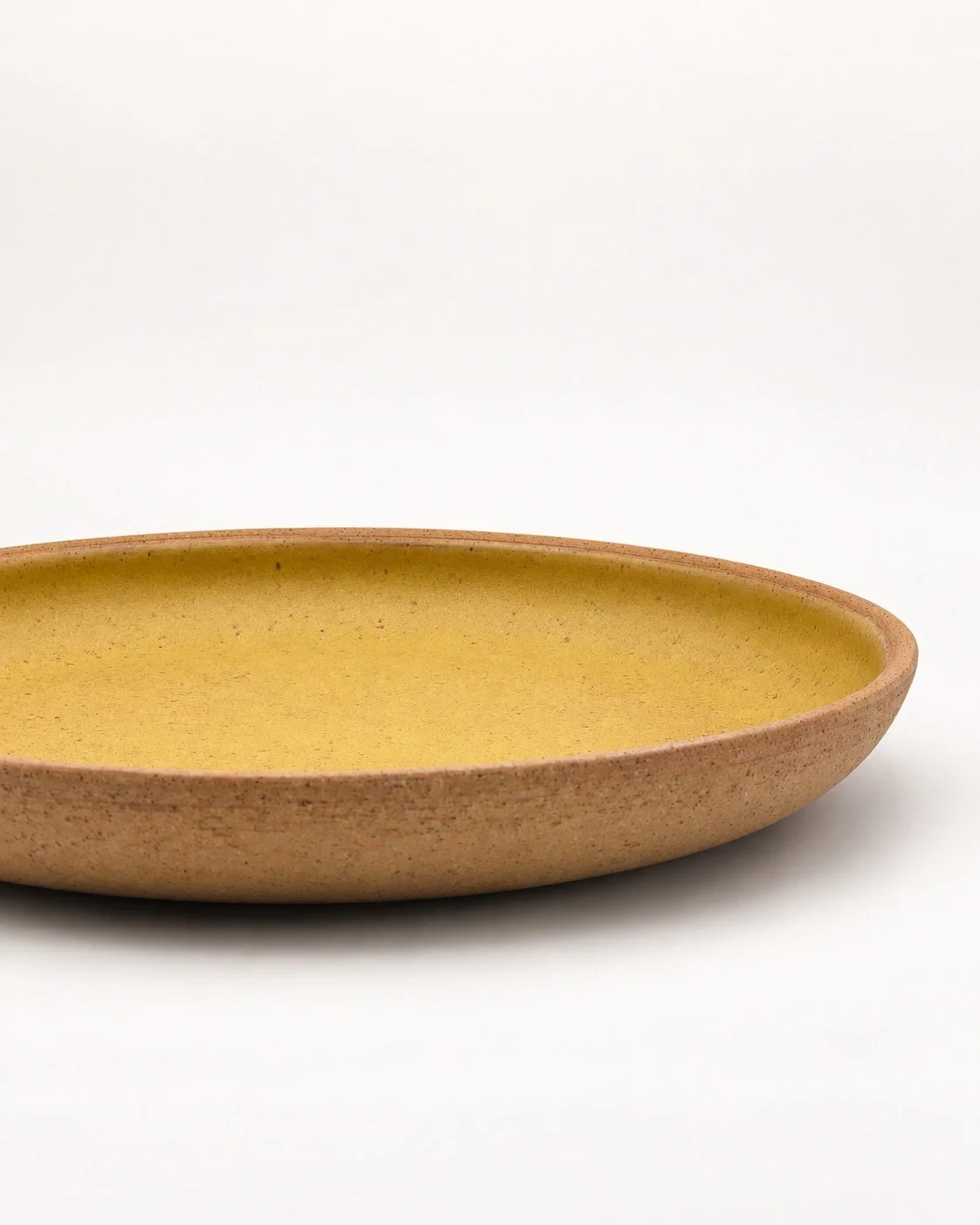
Unglazed exteriors
Leaving part of the clay exposed creates a direct contrast between the raw material and the glazed surface.
The natural color and texture of the clay become part of the finished piece, while the glaze can be used more selectively to emphasize the form.
The pieces do not need to be perfectly identical to belong together. What matters is that the proportions, surfaces, and forms relate to one another and create a sense of unity across the collection.
Sage green
Gloss glazeVolcanic
Gloss glazeWhite on speckled buff
Gloss glazeOchre
Matte glazeArabia Red
Matte glazeAntique Jade
Gloss glazeBlack and white on exposed clay
Black and white glazes give these pieces a stronger contrast, while the exposed clay connects them to the rest of the collection.
Fully glazed surfaces
Speckled white
A fully glazed form allows color and surface to carry around the entire piece.
Glaze can soften a form, emphasize its curve, create contrast with food, or become the visual thread that connects one piece to the next.
Variation still matters. The goal is not perfect repetition, but rhythm: forms that feel related while allowing each plate or bowl to remain individual.
Volcanic
Gloss glazeSage green
Gloss glazeLet’s talk about your table
For a chef, the plate becomes part of the dish.
Its depth, rim, proportion, color, and surface can affect how food is framed, how much space a dish has, and how the final presentation feels. The pottery should support the food rather than compete with it.
At home, the same ideas can be much simpler. Sometimes it is a bowl you reach for every morning, a plate that makes an everyday meal feel a little more considered, or simply a glaze you want on your table.
A project can begin with an existing form or finish you already like, or it can be developed more closely around a particular restaurant, dish, space, or way of eating.
I work within a developed range of clay bodies, glazes, and firing methods, and exact glaze results naturally vary from firing to firing. Those limits are part of handmade ceramics and part of what gives each collection its character.
Whether you already know exactly what you want or only know what you are drawn to, we can start there.
Start a dinnerware projectFinal pricing depends on the form, size, glaze, and quantity and is confirmed before work begins.